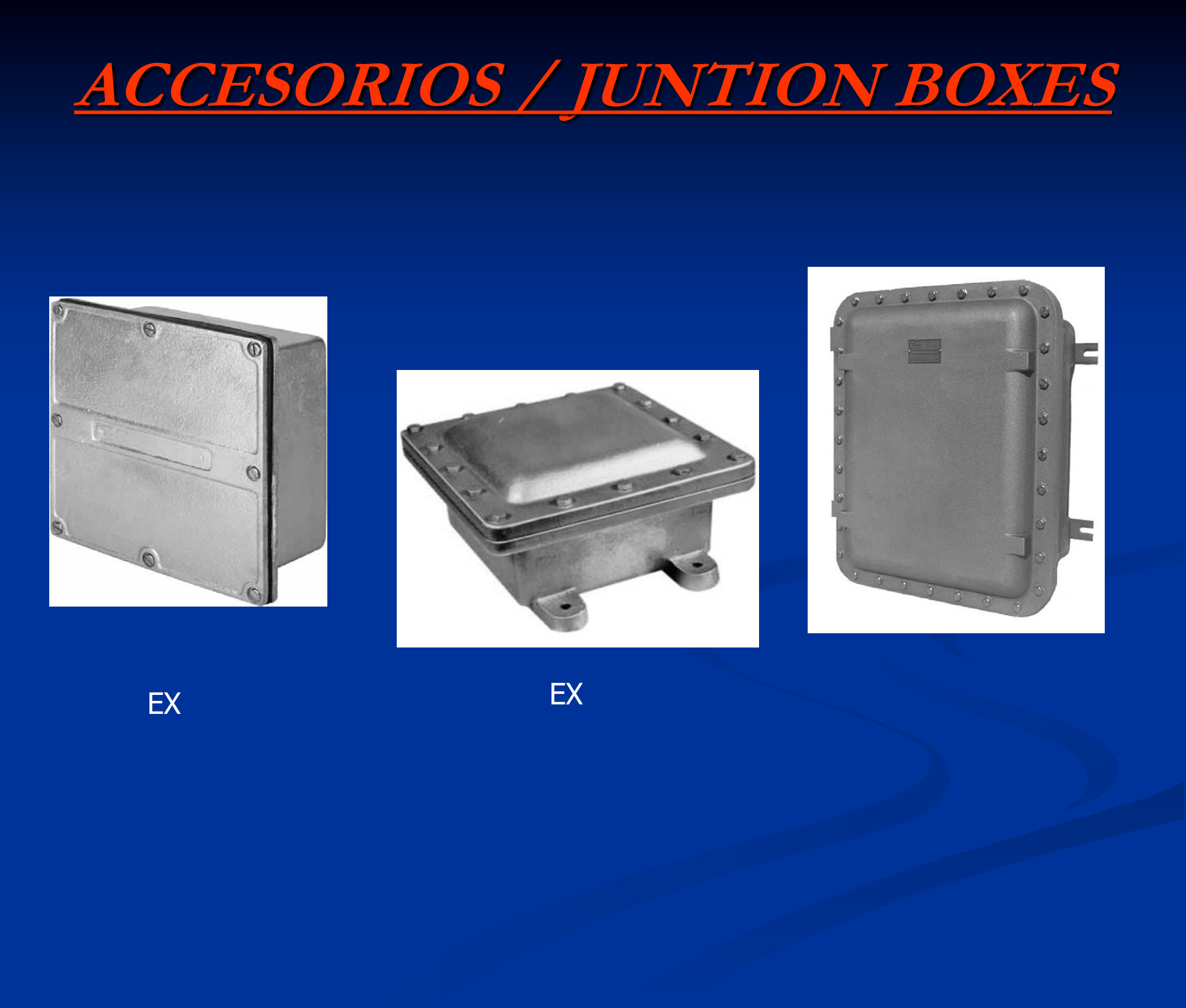
Explosion-proof equipment
Hazardous Areas

Explosion-proof equipment, also known as explosion-proof or explosion-protected equipment, is designed to prevent ignition of hazardous substances or environments by containing any potential sparks or explosions within the equipment itself. This type of equipment is commonly used in industries where flammable gases, liquids, or dust are present, such as oil and gas, chemical processing, and mining.
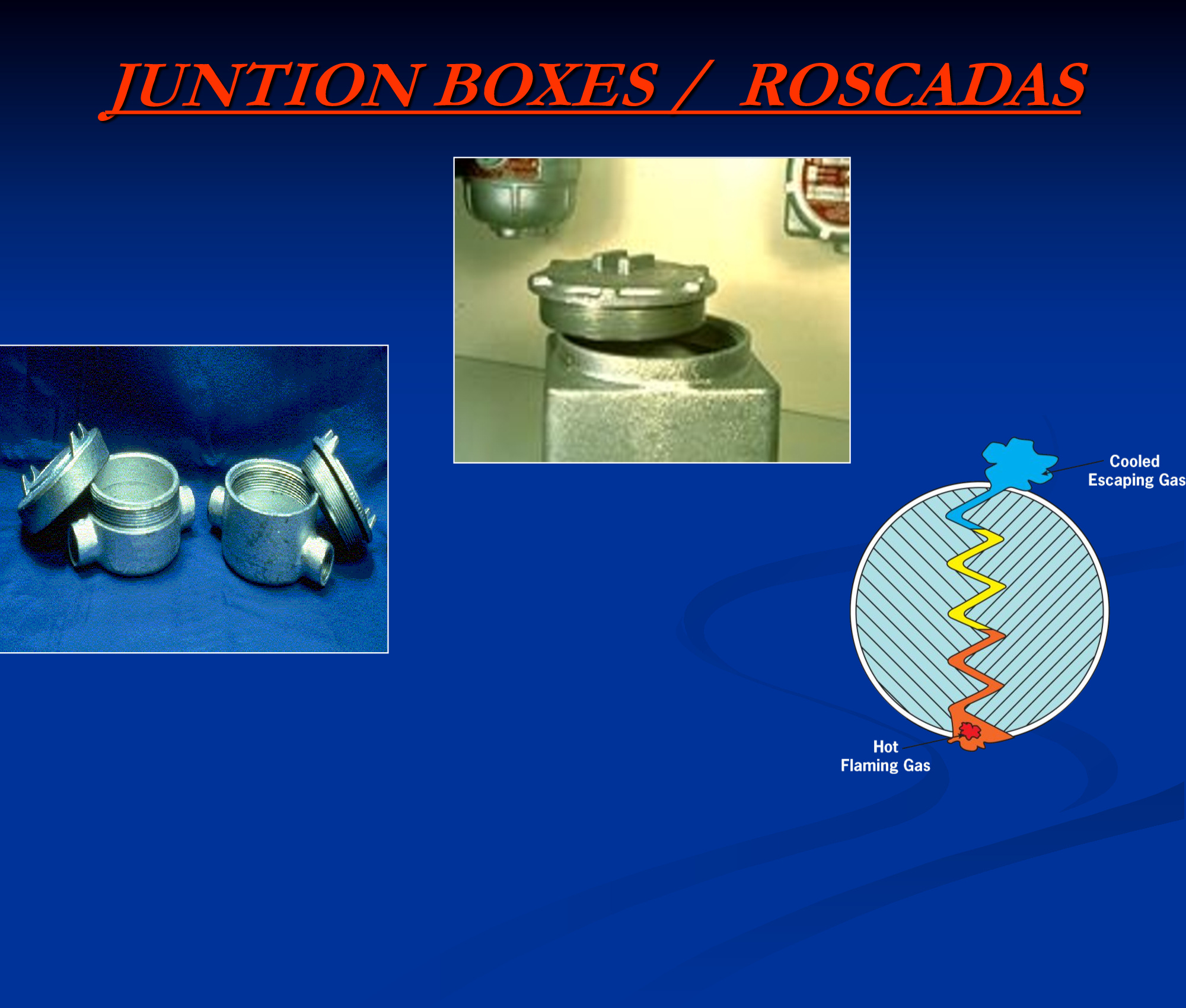
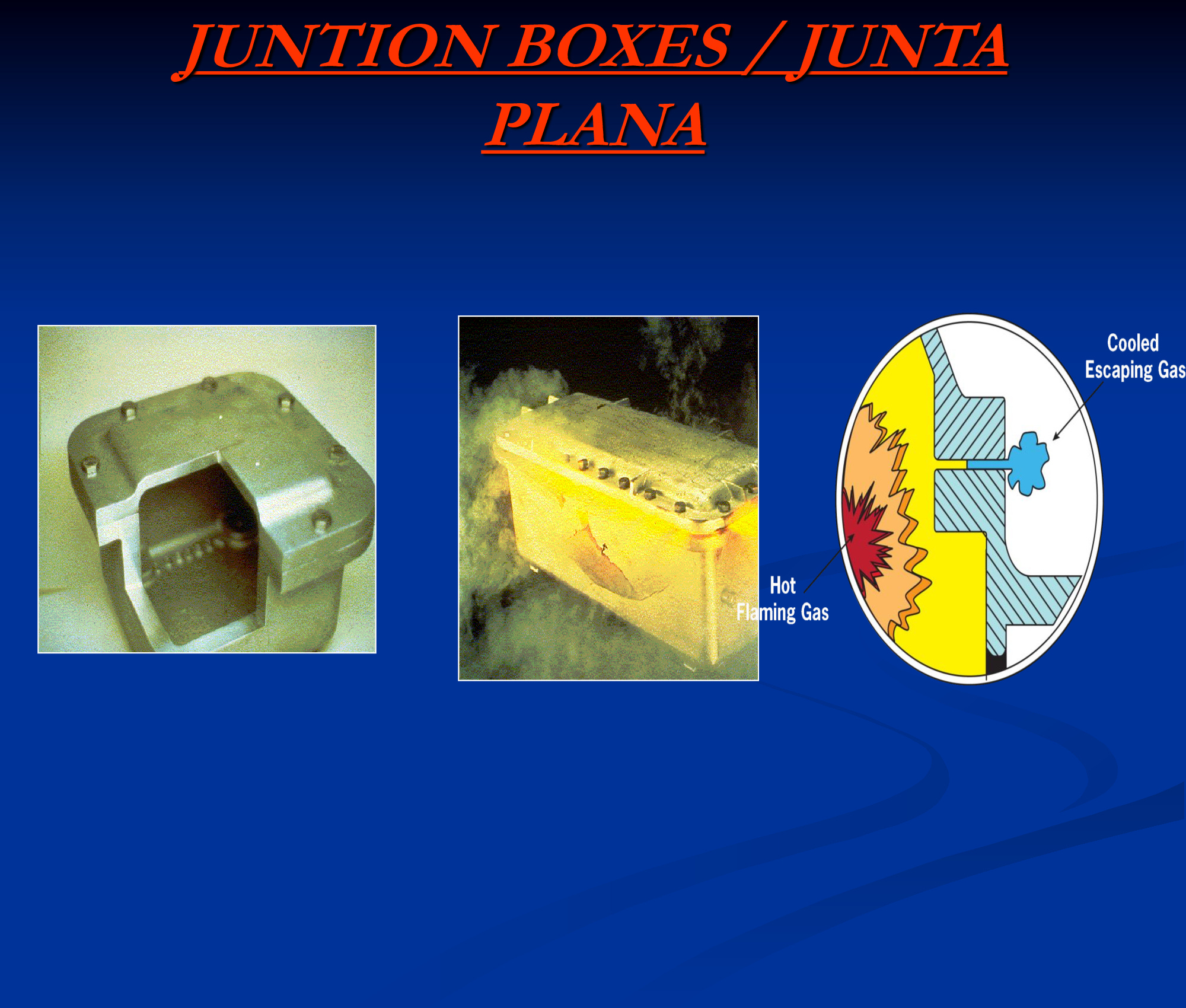
Explosion-proof equipment, such as non-sparking metals, is typically constructed with materials resistant to sparks and explosions. It is designed with features such as sealed enclosures, pressure relief mechanisms, and grounded electrical components to minimize the risk of ignition. Explosion-proof equipment is also subject to strict regulations and certifications to ensure its safety and reliability in hazardous environments.
Examples of explosion-proof equipment include motors, switches, lighting fixtures, control panels, and instrumentation. These types of equipment are designed to be used in specific hazardous locations and must be properly installed and maintained to ensure their effectiveness in preventing explosions.
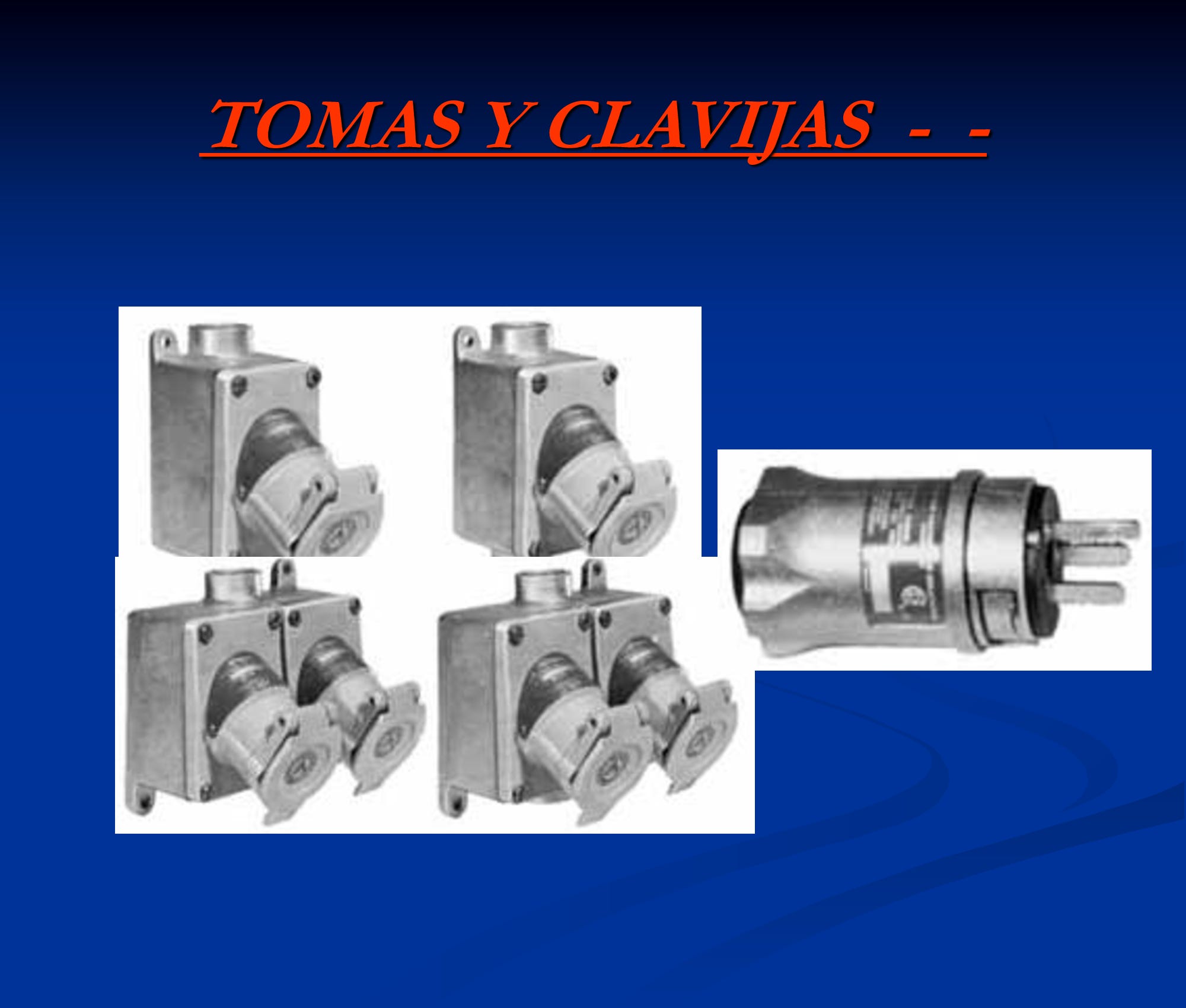
Taking the international standard UL 1203 as a reference, the required hydrostatic pressure is analyzed for the manufacture of “explosion-proof " conduits so that said enclosure can be considered Class I division 1.